
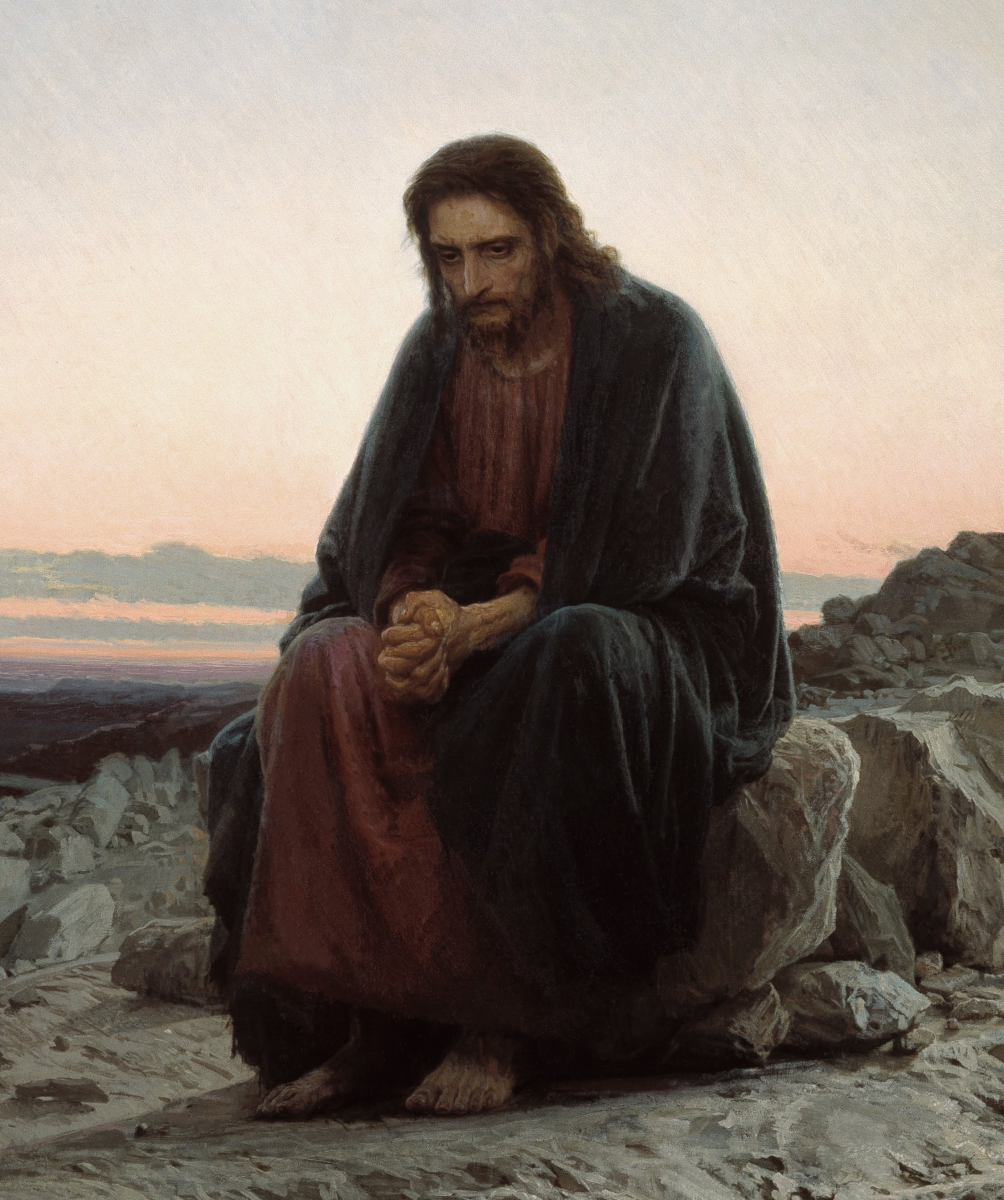
The tension within modern Catholic culture regarding “socialization” is not merely a practical concern, but a deeper confusion about the nature and purpose of human life. Parents are urged to immerse their children in constant activity—teams, clubs, peer groups—under the assumption that this produces well-formed, socially competent individuals. Yet the Church continues to hold up as the highest expressions of human life those vocations marked by silence, recollection, and even separation from the world. This apparent contradiction disappears once we recover a proper understanding of true social life.
The Error of Modern Socialization
Modern culture treats social activity as an intrinsic good, as though frequent interaction itself perfects the human person. Children are expected to be constantly engaged with others, as if the mere presence of peers constitutes formation. But this misunderstands the nature of society. Following Aristotle and perfected in the teaching of St. Thomas Aquinas, society exists not as an end in itself, but as a means ordered to man’s final end: union with God. Social life is therefore good only insofar as it is rightly ordered by reason and directed toward the good. When social interaction becomes constant, unstructured, and detached from higher purposes, it does not form virtue—it dissolves it. The child becomes dependent on stimulation, shaped by peer influence, and deprived of the silence necessary for intellectual and spiritual growth.
The True Source of Catholic Social Life
Authentic Catholic social life is not learned in artificial group settings, but within the natural and supernatural structures established by God: the individual soul in relation to God, the family, and the parish. First, the foundation is personal. A man must be ordered within himself before he can be rightly ordered toward others. This requires prayer, study, self-discipline, and the cultivation of interior silence. Without this, social life becomes shallow and disordered. Second, the family is the primary school of charity. Here, children learn obedience, sacrifice, patience, and love—not as abstract ideals, but as lived realities. The relationships within the family are not chosen for convenience or pleasure, but given by God, and therefore they train the soul in true charity. Third, the parish provides the proper extension of this life into the broader community. Centered on the worship of God, the parish unites individuals and families not around entertainment or shared interests, but around the highest common good: the Holy Sacrifice of the Mass. Here, social life flows from a shared love of God, not from the pursuit of diversion.
The True Source of Social Skill
It is also necessary to correct a common misconception about what constitutes true social skill. Modern thought equates it with ease, confidence, and comfort in group settings, as though frequent interaction naturally produces excellence in human relations. In reality, genuine social ability proceeds from virtue, not from mere familiarity with social environments. Prudence enables a person to discern what is fitting in each circumstance; justice inclines him to respect others rightly; charity perfects his interactions with sincere goodwill rooted in love of God; temperance moderates speech and behavior; and fortitude steadies him in difficulty. These virtues produce a manner that is thoughtful, respectful, and truly engaging. Thus, one who is well-formed interiorly will act well in society even without constant exposure to it, while one who is socially active without virtue may remain fundamentally disordered in his relationships.
Social Life as an Overflow of Contemplation
In the Catholic tradition, social life is not primary—it is secondary and derivative. It flows from a deeper source: the contemplative life. Our Lord teaches that the greatest commandment is to love God with all one’s heart, soul, and mind. The love of neighbor follows from this, not as an independent principle, but as its necessary consequence. We do not love our neighbor merely for his own sake, but for God’s sake—for the image of God in him, and for his relation to God as his final end. Thus, true charity is not born from constant interaction, but from a soul united to God. Without this, what passes for “social life” is often little more than shared distraction. A child trained to be constantly occupied with others rarely develops this interior foundation. But a child formed in silence, study, and prayer acquires something far more valuable: a soul capable of genuine love.
Serving the Common Good
There is also a practical error in modern assumptions. It is often believed that we benefit our neighbors primarily by spending time with them—by participating in social activities, events, and gatherings. But this is not the principal way we serve others. We serve our neighbors most effectively by cultivating within ourselves the knowledge, skills, and virtues necessary for the common good. A physician serves by his medical knowledge. A teacher serves by his mastery of learning. A craftsman serves by the excellence of his work. A priest serves by his sanctity and theological formation. These contributions do not arise from constant social interaction, but from disciplined study, focused labor, and interior formation. Thus, time spent in quiet learning is not time withdrawn from society—it is time invested in the future good of society.
The Role of the Classical Liberal Arts Academy
Homeschooling within the Classical Liberal Arts Academy restores this proper order. It frees students from the constant pressure of artificial social environments and allows them to develop interior life. It places them within the family, where true charity is learned through daily life. It anchors them in the life of the Church, where their social identity is formed around the worship of God. Most importantly, it trains them in the liberal arts—the disciplines that perfect the intellect and prepare the soul for contemplation of truth. This formation equips students not merely to “fit in” socially, but to contribute meaningfully to the common good. By emphasizing study, silence, and disciplined thought, the Academy prepares students to become men and women who can truly serve others—not by mere presence or participation, but by the excellence of their minds and the charity of their hearts.
Conclusion
The modern obsession with constant socialization rests on a misunderstanding of both man and society. It assumes that interaction produces virtue, when in fact virtue is the condition for meaningful interaction. True Catholic social life is learned not in artificial settings, but in the ordered life of the soul, the family, and the Church. It is the overflow of a contemplative life, in which love for neighbor proceeds from love for God. When this order is restored, we see clearly that silence is not opposed to society, but necessary for it; that study is not a retreat from service, but its foundation; and that the highest form of social life is not found in constant activity, but in the fruitful expression of a soul united to God. In forming such souls, the Classical Liberal Arts Academy does not withdraw students from society—it prepares them to elevate it.
Mr. William C. Michael, O.P.
Headmaster
Classical Liberal Arts Academy
The sources, goals, method, outline, and direction of this lesson are the work of Mr. William C. Michael, O.P., Headmaster of the Classical Liberal Arts Academy. The written copy has been composed from his materials and instructions with the assistance of artificial intelligence tools, and reviewed and approved by him before publication.