
In Lesson 38 of the Baltimore Catechism II course, we learn that, “Prayer is the lifting up of our minds and hearts to God to adore Him, to thank Him for His benefits, to ask His forgiveness, and to beg of Him all the graces we need whether for soul or body.” (Baltimore Catechism II, Question 34.) We learn that there are at least two kinds of prayer: vocal prayer and meditation or mental prayer.
Vocal prayer is the prayer we say aloud. An example of vocal prayer is the Our Father, the prayer that Jesus taught us. Vocal prayer is good, but it is not the best form of prayer. This is because in vocal prayer, “we may repeat prayers from pure habit, without any attention or lifting up of the mind or heart.” (Baltimore Catechism II, Question 34, Commentary.)
Meditation is called the best form of prayer. “Meditation is made when we do not speak at all, but simply think of God; of His goodness to us; of our sins against Him; of Hell, Purgatory, heaven, death, judgment, of the end for which we were created, etc.” (Ibid.) In meditation, one could consider any part of the Our Father, Hail Mary, Creed, or even what we read in the Catechism. For example, if we wish to pray the Our Father well, we must not only say the Lord’s Prayer, but also meditate on its words. The Catechism therefore teaches that meditation or mental prayer is the highest form of prayer because, “In it we must think; we must pay attention to what we are doing, and lift up our minds and hearts to God.” (Ibid.)
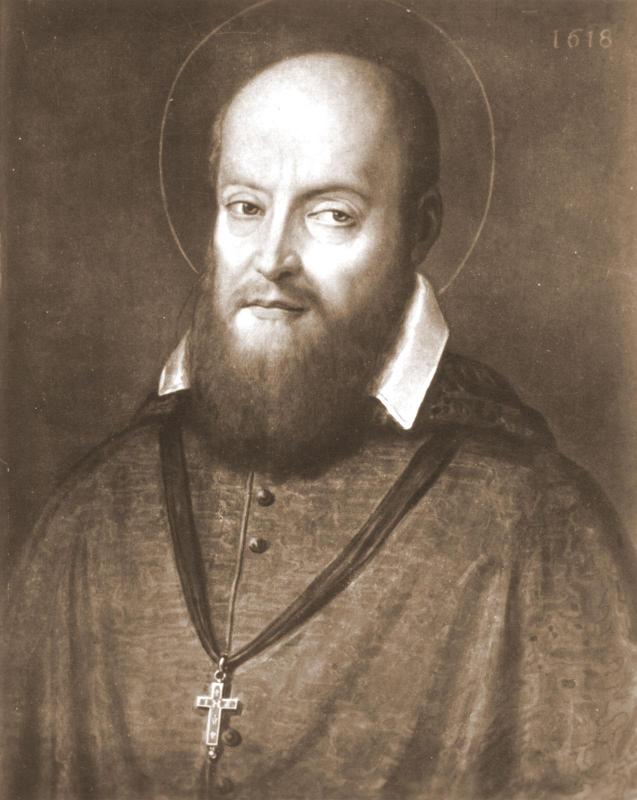
Given that meditation or mental prayer is the best form of prayer, how are we to meditate? The Baltimore Catechism provides us with a procedure that is based on the method found in St. Francis De Sales’ Introduction to the Devout Life. In this work, St. Francis De Sales offers a short method of meditation
- Preparation (Introduction to Devout life, Book II, Chs 2-4.)
- Place yourself in the presence of God & ask for his aid. (Use the following below to help)
- Consider the fact that God is present everywhere.
- Call to mind that God is present even within your mind and heart.
- Consider that Christ looks down from heaven at all of us, his children.
- Use your imagination to picture Christ next to you, as a friend might be.
- Ask God for his grace to serve and worship him in this meditation.
- Dwell upon the thought of your guardian angel, the saints connected with what you’re meditating on, etc. so that you may share in their devout feelings and intention.
- Use your imagination to help you picture the thing you are meditating on, such as the passion. (This is not necessary to all meditation, since there are some things that can’t be imagined.)
- Place yourself in the presence of God & ask for his aid. (Use the following below to help)
- Considerations (Book II, Ch 5.)
- Consider those things which raise our love to God and heavenly things.
- If you do not find anything, move on to another point of consideration. Do so slowly.
- Affections and Resolutions (Book II, Ch 6.)
- Dwell in the love of God or Heavenly things that you’ve considered.
- Make a very particular resolution for your own correction and amendment, to promote love of God.
- Conclusion (Book II, Ch 7.)
- Act of Thanksgiving: Thank God for the love and resolutions he’s inspired in you.
- Act of offering: Offer God your love and resolutions.
- Act of Petition: Ask God for the ability to share in Christ’s merits and bless your love and resolutions.
- Pick one or more points that caught your attention in your meditation, keeping them in mind.
As Christians, we need to maintain a practice of meditation. Just as in our studies of the quadrivium the mind ascends from things that are corporeal to things that are incorporeal, so through meditation the heart and mind ascends from the restlessness of this world to find rest in God.
