
Our school years may be challenging, but the plan is quite simple: study and earn a high school diploma. This task takes some time, but is relatively easy and achieved by almost all students. It’s the next phase of life–between ages 18 and 25–where most young men and women run into trouble. Without a plan for these transitional years, young adults can fail to gain independence, can run themselves into financial trouble and come out of it with few, if any options, for success. I’d like to recommend a plan for Christian students after high school that all should consider seriously.
Our son Jonathan was educated at home using the Classical Liberal Arts Academy curriculum. He wanted to live an honorable life, but wasn’t sure where that life was to be found. After attending a number of events at the diocesan seminary, it became clear that his interest and abilities were aligned with a secular career and it appeared that law enforcement was his principal interest. He was not, however, interested in serving as a civilian police officer and was also not interested in active duty military service. He wanted to go to college and wasn’t sure what his options were. Mrs. Michael arranged a visit with a local Army recruiter who introduced him to the U.S. Army Reserves.
Jonathan learned that in the Reserves, he could serve in the U.S. Army part-time and go to college full-time. He could choose a career path in the Reserves, for which he would receive excellent training from the Army. As a Reserve, he would need to attend a military drill one weekend every month and a month-long camp each summer. In exchange for this service, he would receive a monthly income and would have most of his college costs paid for by the Army.
Jonathan chose to join the Reserves and prepare for a career as a Military Police officer. He left home at age 19 and went to Army Basic Training at Ft. Leonard Wood in Illinois, which challenged him greatly– physically and spiritually. He was forced to overcome personal weaknesses and some immaturity, surrounded by other young men and women doing the same.
After Basic Training, Jonathan moved to Advanced Individual Training (AIT) where he would receive his Military Police training. This was enjoyable for him as his interest in law enforcement was confirmed, but it was still challenging.
Jonathan graduated from his training and enjoying having the family attend his ceremony at Ft. Leonard Wood. Jonathan returned home and enrolled in college studies after a year of military training. He chose to attend the University of North Carolina’s Charlotte campus, which is an hour from home.
After being admitted to college, however, Jonathan learned of another opportunity. Being a member of the Reserves and admitted to the university, he was welcome to join the university’s Reserve Officer Training Corps (ROTC). By joining ROTC, Jonathan would become a Cadet, study military science courses in at the university and train with fellow Cadets at the university. He would also receive increased pay and benefits. Best of all, upon the completion of his degree, he would be commissioned as an officer in the U.S. Army. Jonathan chose to join ROTC.
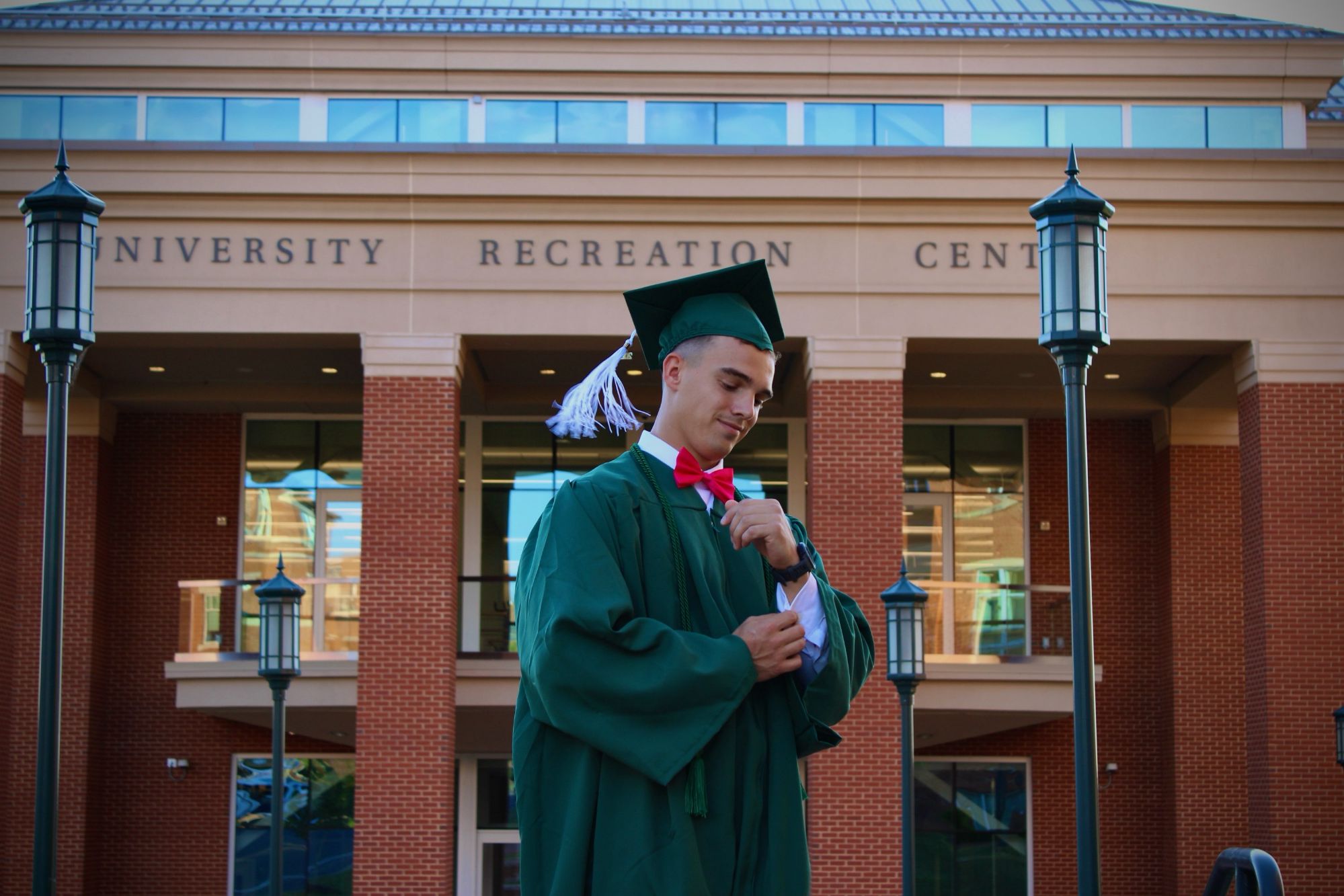
Over the past four years, Jonathan has successfully completed his college studies, graduating with a degree in Criminal Justice, finishing with a 3.5 GPA (cum laude). He did this while living independently on campus and his college studies cost us, his parents, nothing. His tuition, room and board were provided for by his ROTC pay and benefits and, though he did use about $20,000 in student loans, most of this will be repaid by the Army now that his studies are completed.
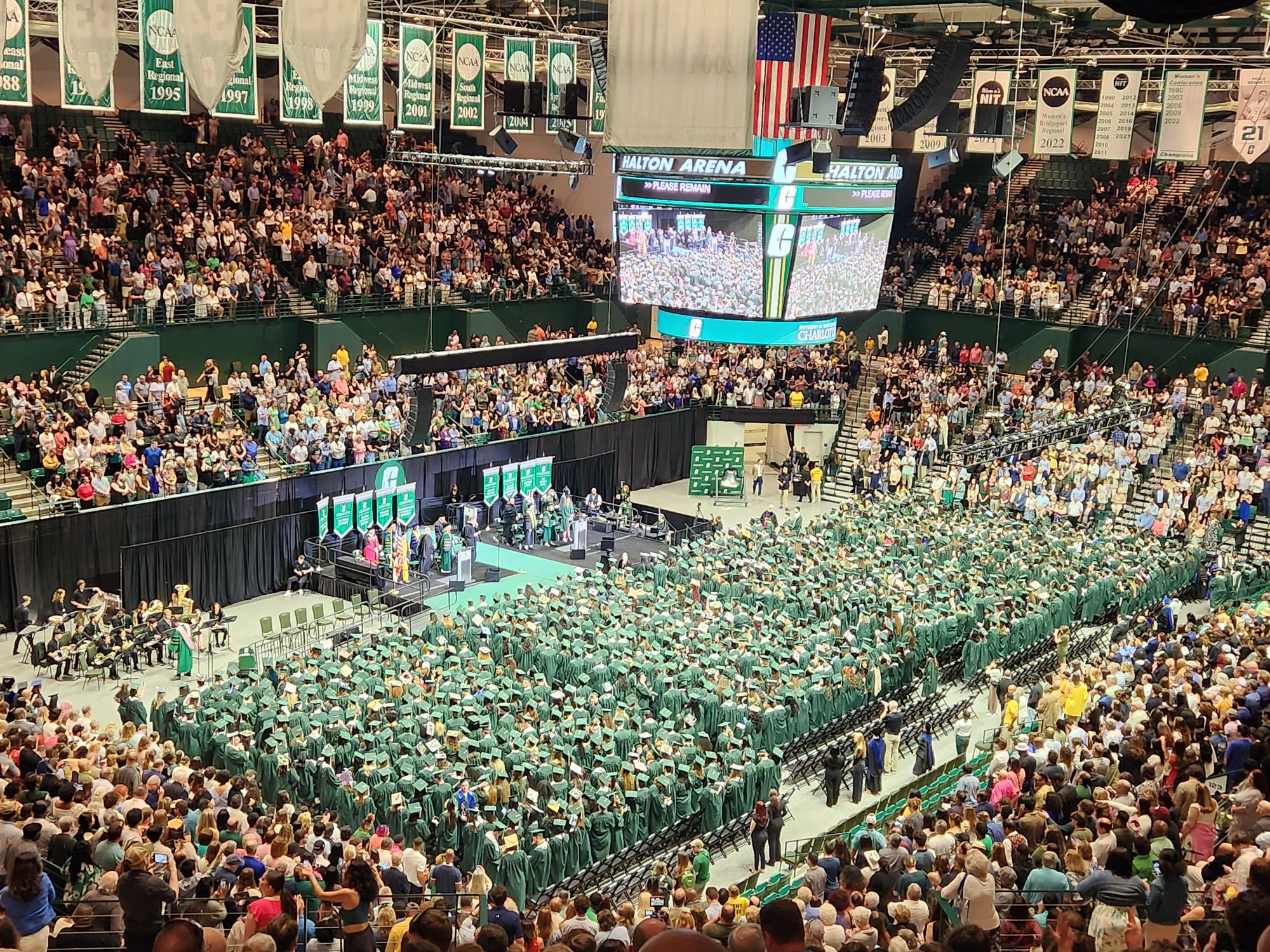
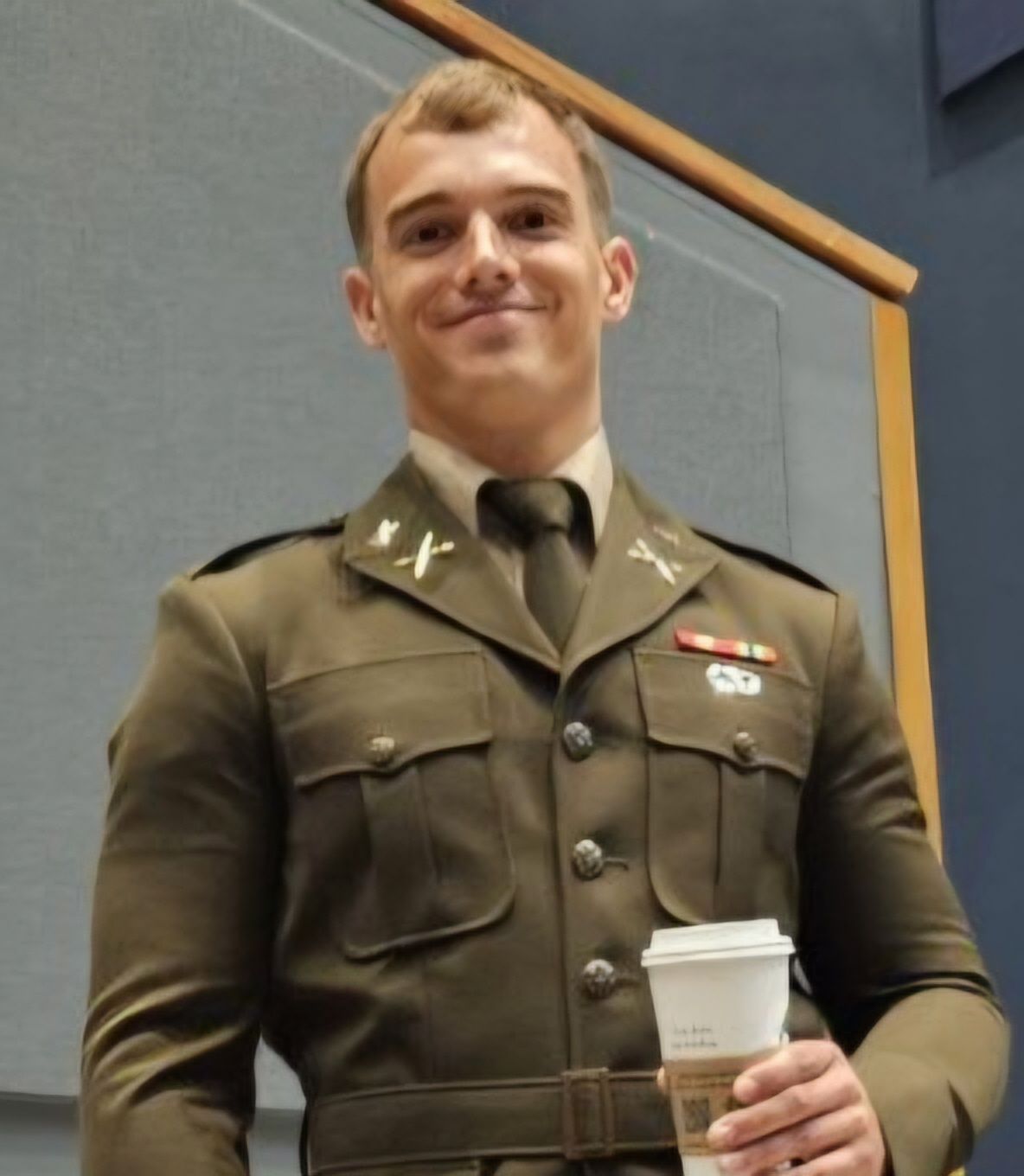
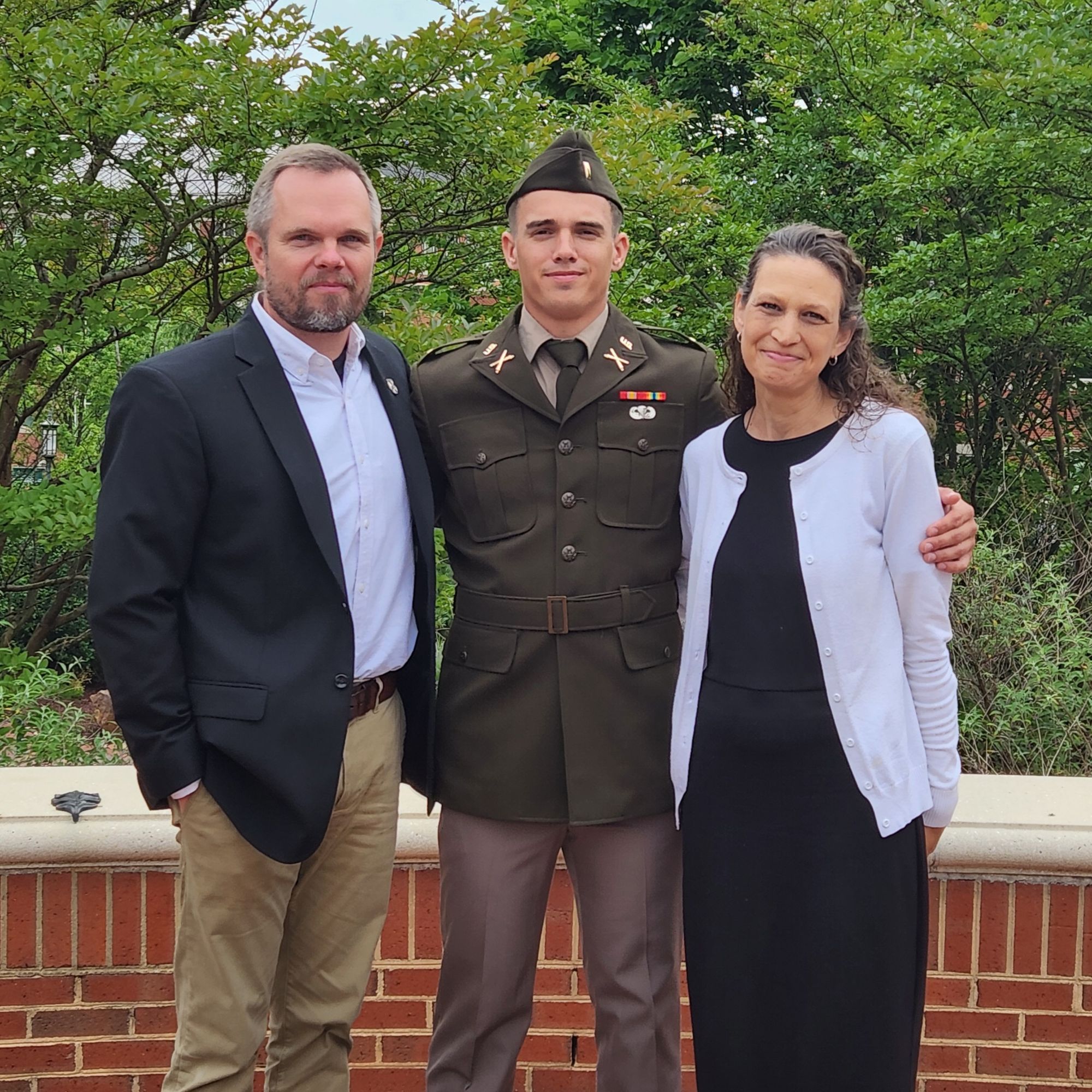
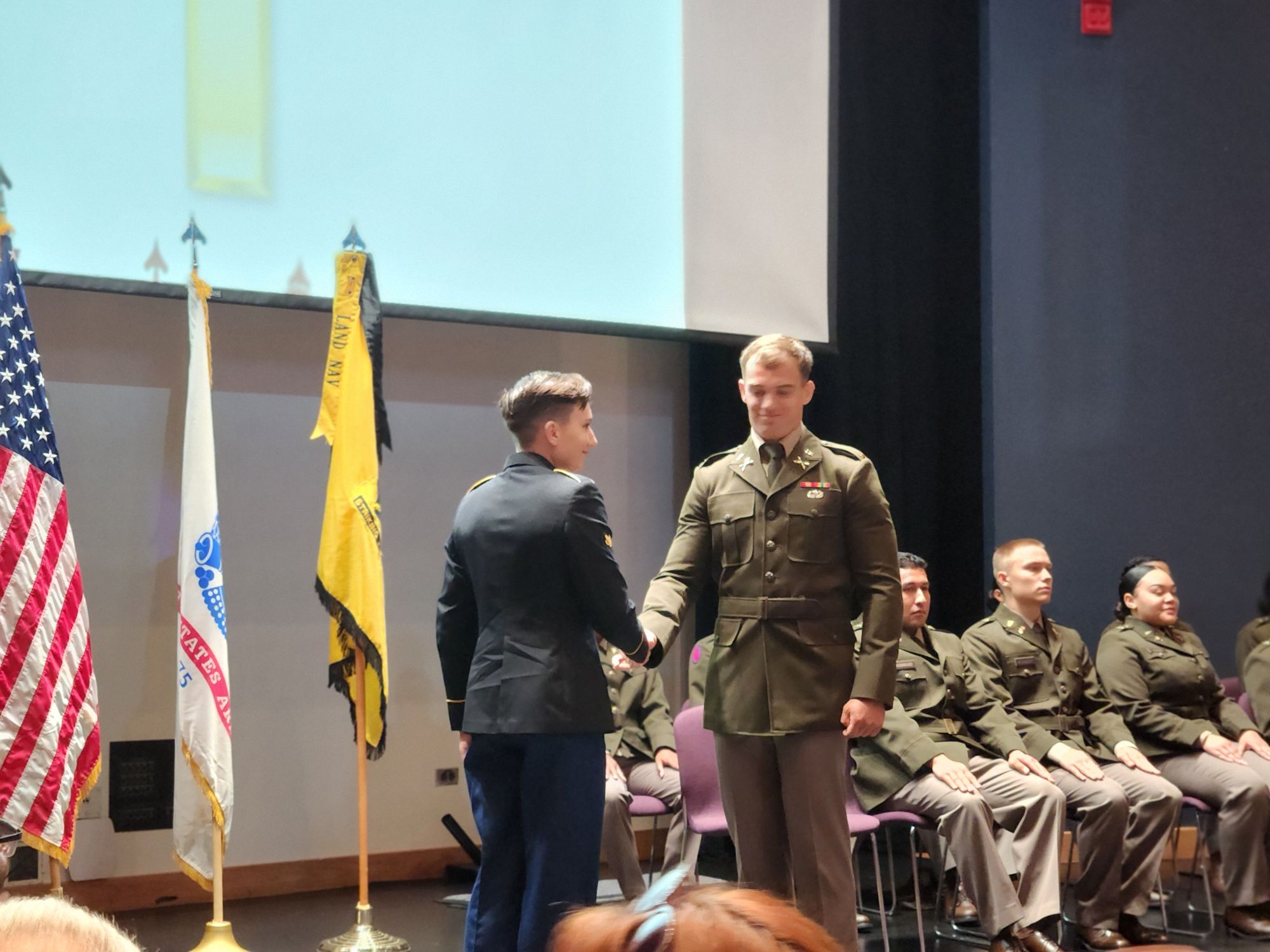
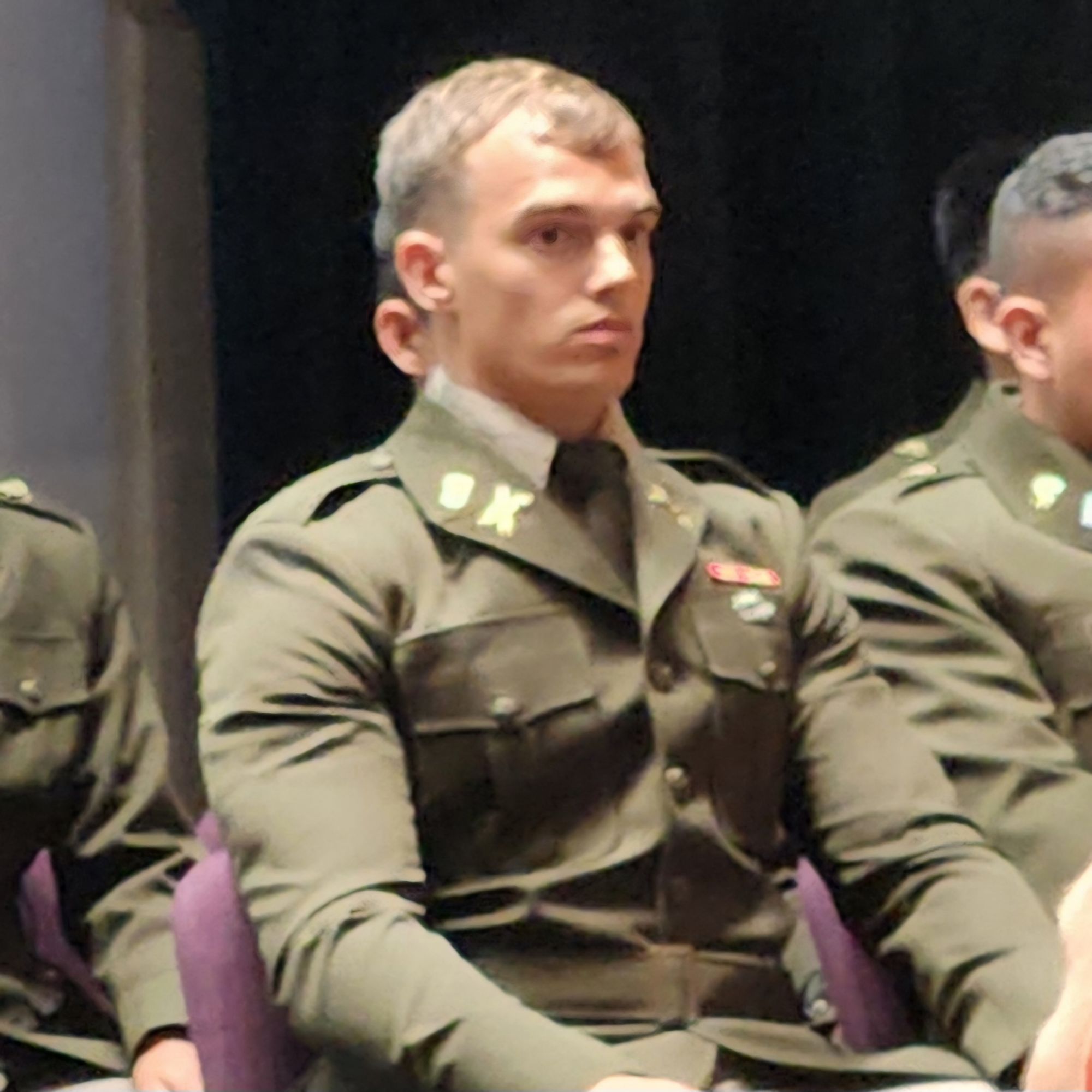
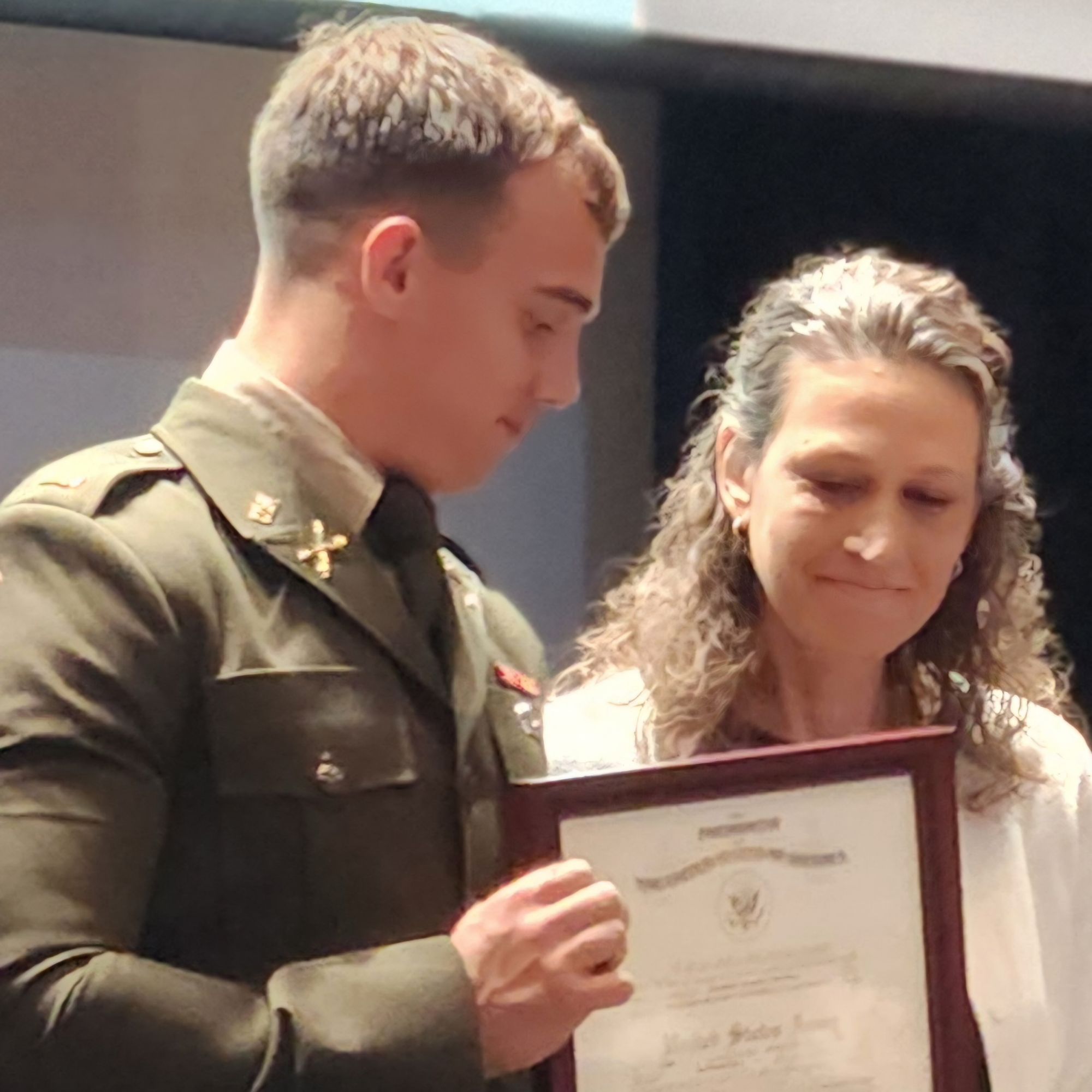
This month, Jonathan enjoyed celebrating is graduation ceremony at UNC Charlotte and an ROTC ceremony at which he received his commission. Jonathan will be serving as a 2nd Lieutenant in the Field Artillery division of the 82nd Ariborne. He will enjoy full-time military salary and benefits at age 24 and may leave the military when his 3 year contract ends or choose to continue his military career as long as he pleases.
Jonathan also met a wonderful young lady from an ROTC program at another university, who has also enjoyed success through the ROTC program, though following a different path. She applied for an ROTC Scholarship after high school and moved directly from high school to a university ROTC program–without the Basic Training or AIT Jonathan completed. She studied Nursing in college as an ROTC Cadet and also commissioned as an officer in the Army this month.
My daughter Elizabeth, who is 18 months younger than Jonathan, also followed the path Jonathan took. She joined the Army Reserves as a Combat Medic, then went to college and joined ROTC. She is studying Political Science in college and spent last semester working as an intern with the Senate in Washington, DC. She is a straight A student and will (God willing) graduate from college and commission as an officer in May 2025. She also gave Jonathan his first salute as an officer (see photos below.)
In this generation, pursuing a virtuous secular career after high school is very difficult. Many students struggle to make the transition to independent adult life between the ages of 18-25. I believe that the U.S. Military provides Christian students with the opportunity to make the best use of these important years, establish adult independence, and open for themselves a wide range of future options.
I strongly recommend that Christian students who are interested in secular careers, and wish to go to college after finishing high school, consider the U.S. Military’s ROTC programs, following either of the paths described above. There are so many resources and benefits available to students who do so that very few other options can compare. There are surely challenges and risks of such a path, but this is true of any path and I’d’ argue that the risks of failure in other paths are greater and the outcomes inferior.
If you have any questions about ROTC programs, college admission, career preparation, etc., please feel free to contact me any time. I will connect you with the people and resources you need to succeed.
God bless your studies,
Mr. William C. Michael, O.P.
Classical Liberal Arts Academy
mail@classicalliberalarts.com
